The Heritage of Hanji
More than a Document: A Thousand-Year Legacy
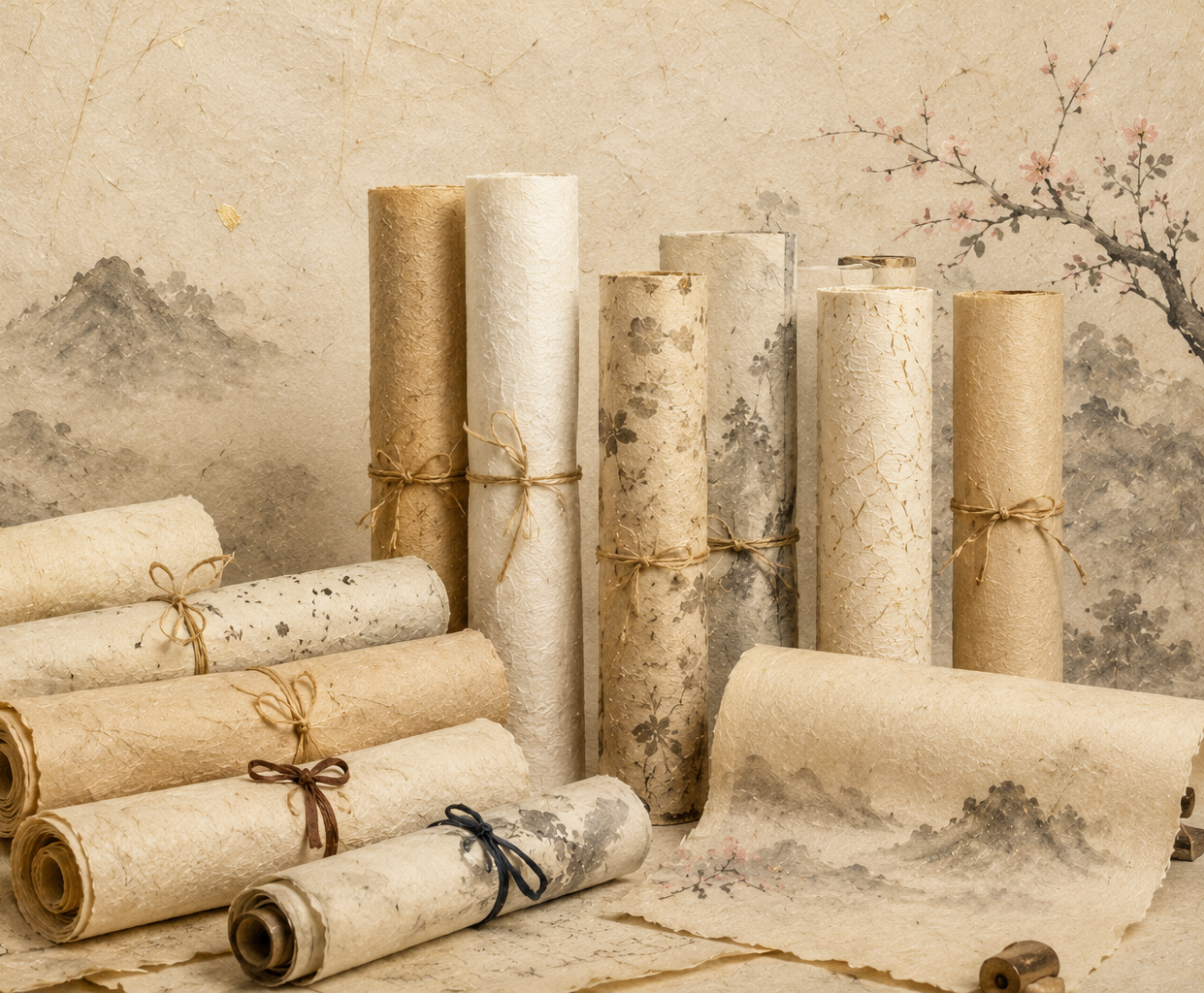
The Gongkwon Yusul rank certificates and instructor certificates are made from Hanji, a traditional Korean paper. Hanji is made from the bark of the mulberry tree and has been used in Korea for centuries. It is known for its exceptional durability—historically, it can last for hundreds to over a thousand years without easily decaying.
In addition to its strength, Hanji is also admired for its natural texture and warm, elegant color. By using Hanji, these certificates are not just documents, but lasting works of tradition and craftsmanship.
The 5th-degree black belt
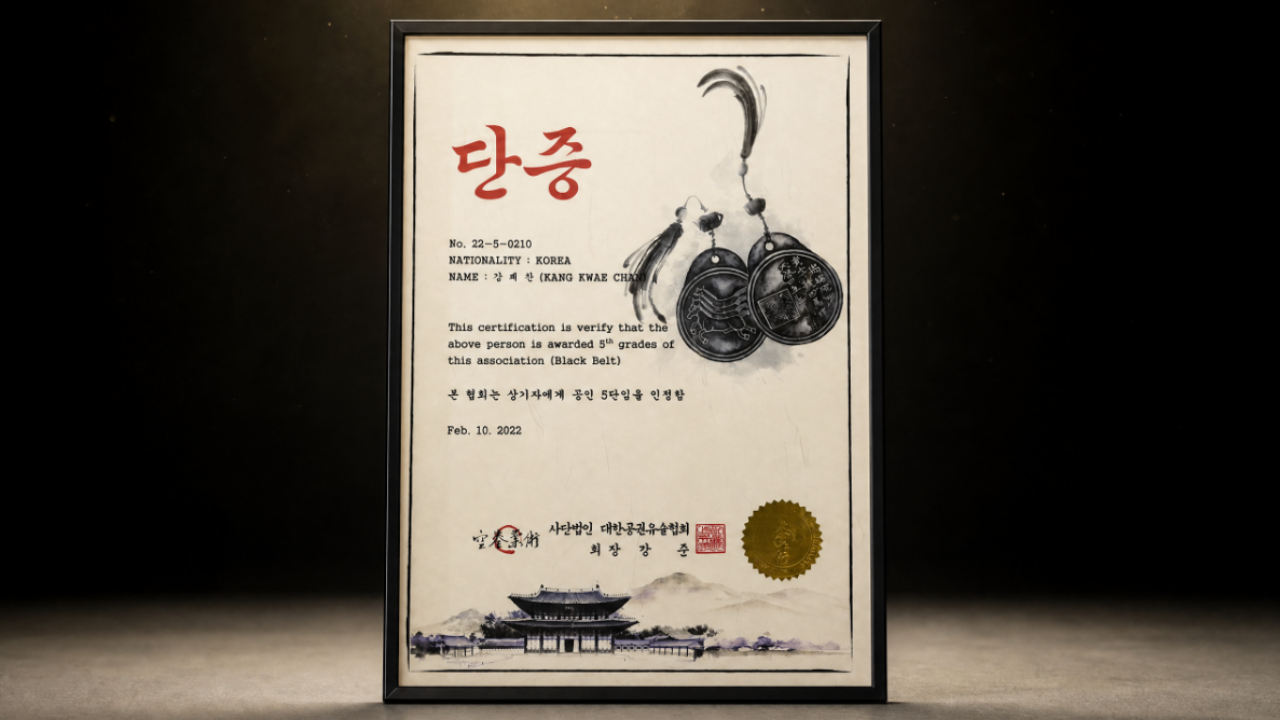
It features the design of the 'Mapae,' the badge used by secret royal inspectors in Korea’s history.
When you achieve the 5th degree, you will receive not only the certificate but also a custom-crafted replica of the Mapae. This piece is carefully cast in metal, inspired by the historical treasures preserved in the National Museum of Korea.
It represents authority, responsibility, and the duty to uphold justice, just as the royal inspectors once did.
+ What is the Mapae of a secret royal inspector (Amhaeng Eosa)?
The “Mapae” was a special metal badge used in the Joseon Dynasty of Korea. It was carried by secret royal inspectors called “Amhaeng Eosa,” who were sent by the king to travel across the country in disguise.
This badge acted as an official pass that proved their authority. When they revealed the Mapae, local officials had to obey their orders immediately. With it, they could command soldiers, use government horses, and investigate corruption.
In simple terms, the Mapae was like a hidden badge of power. It allowed a secret inspector to suddenly reveal their identity and take control of a situation to enforce justice.
The 6th-degree black belt
The design features the throne hall of Gyeongbokgung Palace, called Geunjeongjeon, with the traditional painting Irworobongdo (The Sun, Moon, and Five Peaks) in the background.
This combination carries deep symbolic meaning rooted in Korean royal philosophy.
Geunjeongjeon is the main hall where kings of the Joseon Dynasty conducted official ceremonies and governed the nation. It represents authority, leadership, and the responsibility of ruling with wisdom and fairness.
Behind the king’s throne, there was always a folding screen called Irworobongdo.
Together, this image does not simply decorate the space.
It represents the universe itself. The king was placed in front of this painting to show that he ruled in harmony with the natural order of the world.
By using Geunjeongjeon and Irworobongdo in the design, it expresses more than historical beauty.
It symbolizes leadership with balance, inner stability, and the responsibility to act in harmony with greater principles—values that align with the philosophy of martial arts.
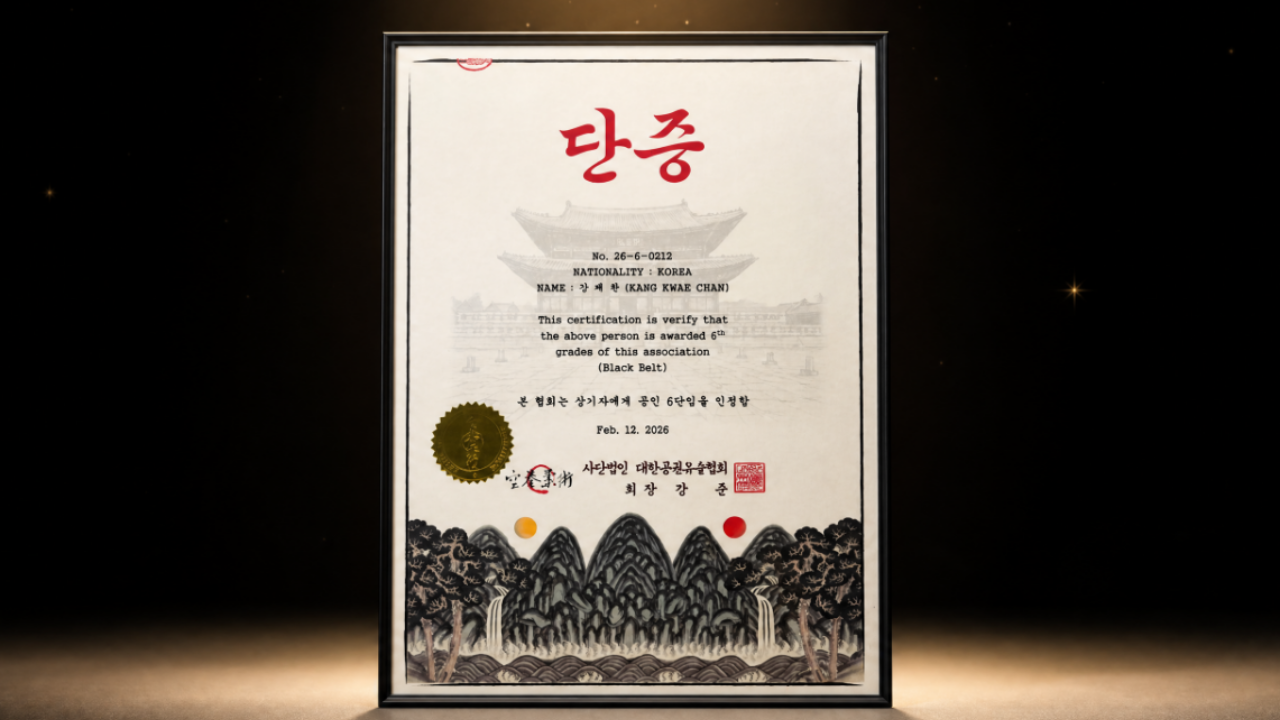
+ What is the meaning of a folding screen called Irworobongdo?
Behind the king’s throne, there was always a folding screen called Irworobongdo. This painting shows the sun, the moon, and five mountain peaks, along with waves and pine trees. Each element has meaning:
The sun and moon represent balance, often interpreted as the harmony of opposing forces (like day and night, or yin and yang).
The five peaks symbolize stability, strength, and the structure of the world.
The flowing water represents continuity and the flow of life.
The pine trees stand for endurance and longevity.