🥋 Gongkwon Yusul Curriculum Guide
"A Hybrid Combination System Dissolving the Boundaries Between Striking and Grappling"
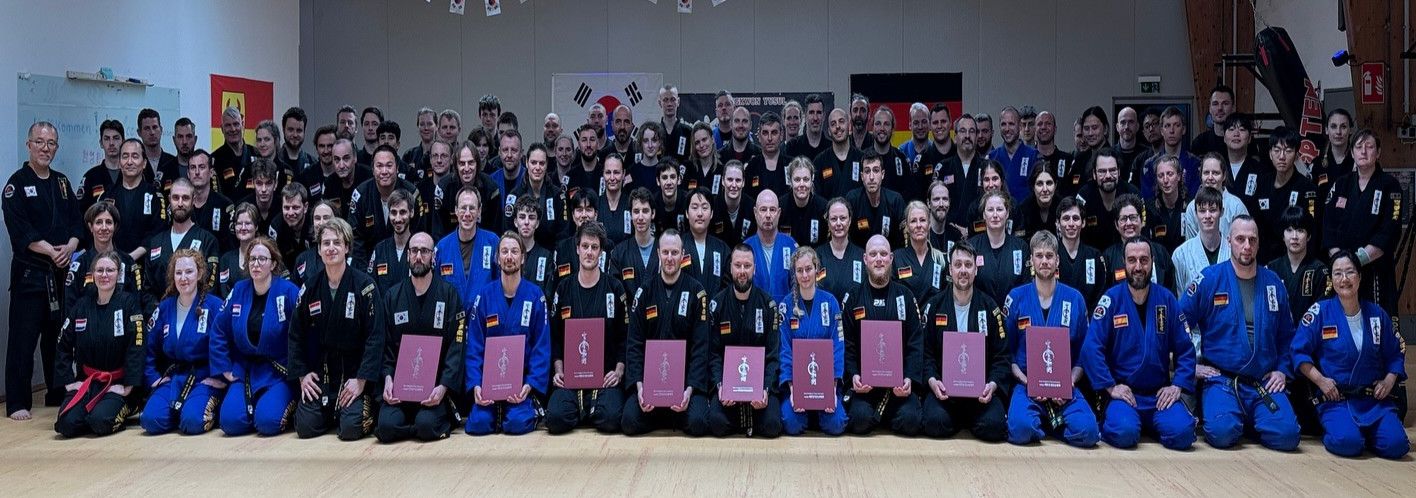
The defining characteristic of Gongkwon Yusul is that striking (Gongkwon) and grappling/Judo (Yusul) do not operate in isolation. Instead, they are engineered to flow as one continuous, organic entity. Below is an expert analysis of the core technical systems and stage-by-stage curriculum of Gongkwon Yusul.
1. The Three Technical Domains
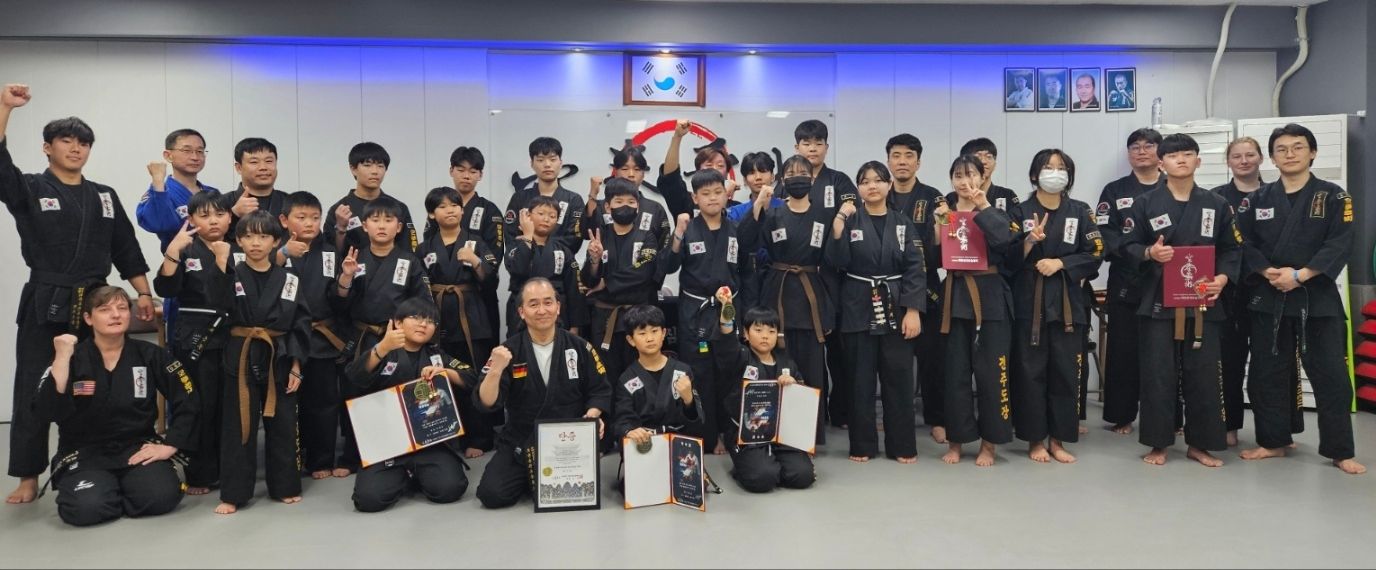
Gongkwon Yusul consists of a vast and systematic curriculum classified into three primary dimensions. Practitioners develop the ability to seamlessly transition and adapt between these domains.
-
🥊 Gongkwon Dimension (Stand-up Striking): Features hand techniques (Sugibeop) rooted in boxing, alongside a kicking system (Joksulbeop) based on full-contact karate and kickboxing, enhanced with elbow and knee strikes.
-
🥋 Yusul Dimension (Throws & Takedowns): Covers a wide range of grappling techniques, including Judo-style throws, wrestling takedowns, and specialized techniques utilized by gripping the opponent's collar and sleeves to bring them to the mat.
-
⚓ Wasul Dimension (Korean Ground Jiujitsu): Focuses on ground combat positioning, guard passes, and achieving complete control over the opponent through submission techniques such as armbars, chokes, and leglocks.
2. Rank-by-Degree Curriculum Roadmap
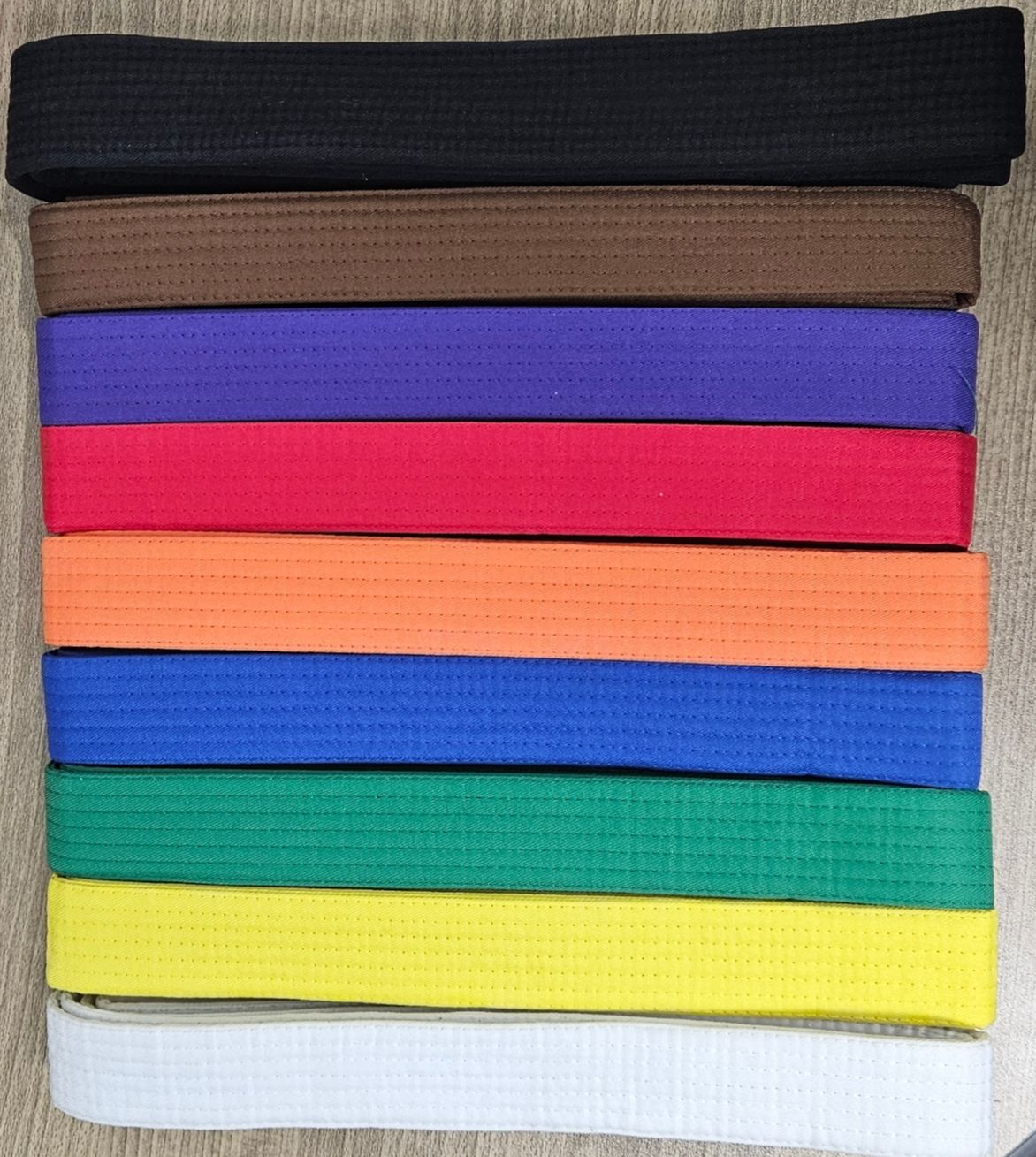
The training process of Gongkwon Yusul follows a structured framework where practitioners progress through color belt ranks to achieve 1st Dan Black Belt. The Gongkwon Yusul Academy is a specialized educational program designed to guide beginners step-by-step through color belt levels toward earning their Black Belt, while also providing advanced training for existing Black Belt holders. Beginners can start their journey naturally by enrolling in the 1st Dan Course.
① 1st Dan Black Belt Course: Systematic Foundations of Gongkwon Yusul (Recommended for Beginners)
-
Samwonbon (Simmu, Gyeonbeop, Ipgi): Training in combinations linking striking techniques, throwing techniques, and grappling techniques.
-
Matdaegi Series (Throwing, Joint Locks, Hand Techniques, Kicking): Practicing pre-arranged offensive and defensive exchanges to refine precision in throwing, joint lock controls, hand strikes, and kicks.
-
Beginner Sugibon & Sugijoksulbon: Master continuous punch combinations and alternating hand-and-foot combination patterns to complete complex striking sequences.
② 2nd Dan Black Belt Course: Advanced Combination & Sparring Integration
-
Includes all content from the 1st Dan Course
-
Samwonbon (Jwajeong): Training in combinations linking striking techniques, throwing techniques, and grappling techniques.
-
Daeryeon-ui-bon (Basic + Cho-bon): Mastering application and connection forms that allow techniques to flow seamlessly during live combat/sparring scenarios.
③ 3rd Dan Black Belt Course: Completion & Essence of Gongkwon Yusul
-
Includes all content from the 2nd Dan Course
-
Samwonbon (Waryak): Training in combinations linking striking techniques, throwing techniques, and grappling techniques.
-
Daeryeon-ui-bon (Jeong-bon + Jin-bon): Perfectly implementing precise combination sequences (Jeong-bon) and the highest level of offensive/defensive systems (Jin-bon) under practical sparring conditions.
-
Yongjin-hyeong: A form (형/形) of Gongkwon Yusul.
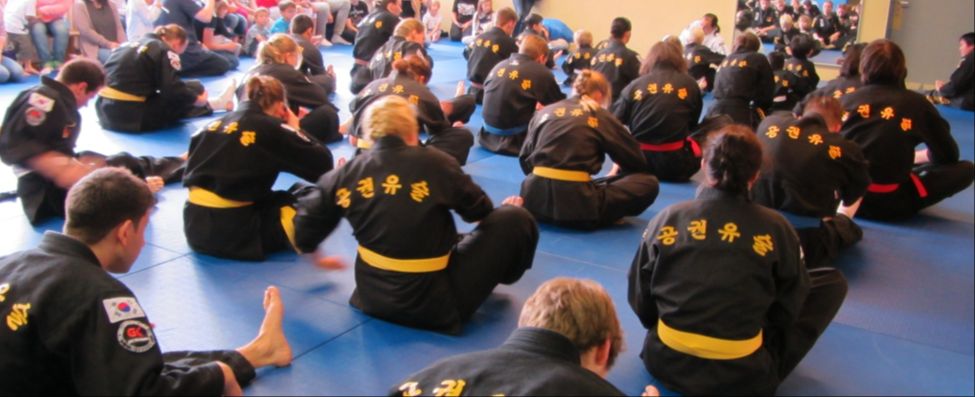
3. Pedagogical Features: Why Choose Gongkwon Yusul?
-
Modernized, Form-Centered Blueprint (The Evolution of Kata): These are not static, boring traditional patterns. Real combat combinations are systematized, allowing practitioners to execute flawless, realistic combinations independently on shadow-boxing or heavy-bag routines.
-
Low Injury Rates, High Fulfillment: Gongkwon Yusul stands apart from hyper-aggressive, violent combat gyms. Engineered as an inclusive "social fitness and community-driven system," students trade structured techniques safely each week—resulting in exceptionally high participation rates among women and children.
-
An Unrivaled Clinch System: Gongkwon Yusul boasts an incredibly sophisticated curriculum for the 'clinch phase'—the precise moments immediately before and after securing a grip. This bridges the gap between striking and grappling more detailedly than any other martial art in the world.